A sake brewery may be more than a place where alcohol is made.
It can also be a place that preserves and conveys the memory of a region.
Sawada Shuzo is a sake brewery in Tokoname, Japan, brewing traditional Japanese sake shaped by local food culture, fermentation traditions, water, and the terroir of the Chita Peninsula.
Sawada Shuzo, brewer of the sake brand Hakurou, has long believed that sake should be rooted in local food culture, agriculture, water, and everyday life. This way of thinking did not originate from modern concepts or trends, but from living and working closely with the land of the Chita Peninsula in Aichi Prefecture.
The Chita Peninsula: A Region Shaped by Fermentation
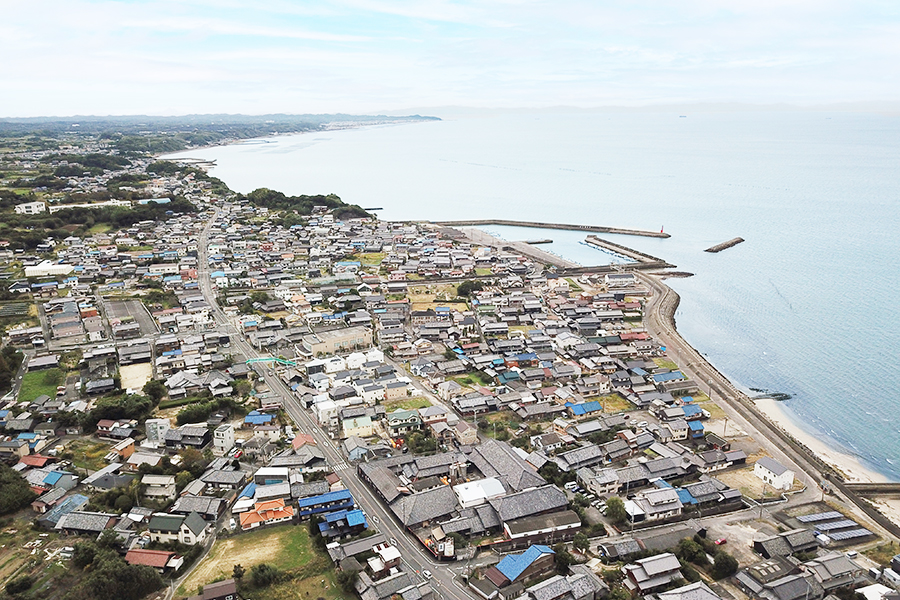
The Chita Peninsula was once one of Japan’s leading sake-producing regions, with more than 200 sake breweries operating at its peak. Over time, the techniques and tools used for sake brewing were adapted for the production of miso and tamari soy sauce. As a result, sake, miso, and soy sauce developed side by side, forming a distinctive regional food culture based on fermentation.
This fermentation heritage also gave rise to companies that expanded beyond sake brewing. Morita Co., for example, grew from sake into soy sauce and miso production, while Mizkan, based in neighboring Handa City, developed vinegar from sake lees and eventually became a globally recognized food company.
Sawada Shuzo has continued brewing sake for over 170 years within this broader fermentation culture of the Chita Peninsula, carrying forward the traditions of a local sake brewery deeply connected to its region.
A Style of Sake Shaped by Daily Life
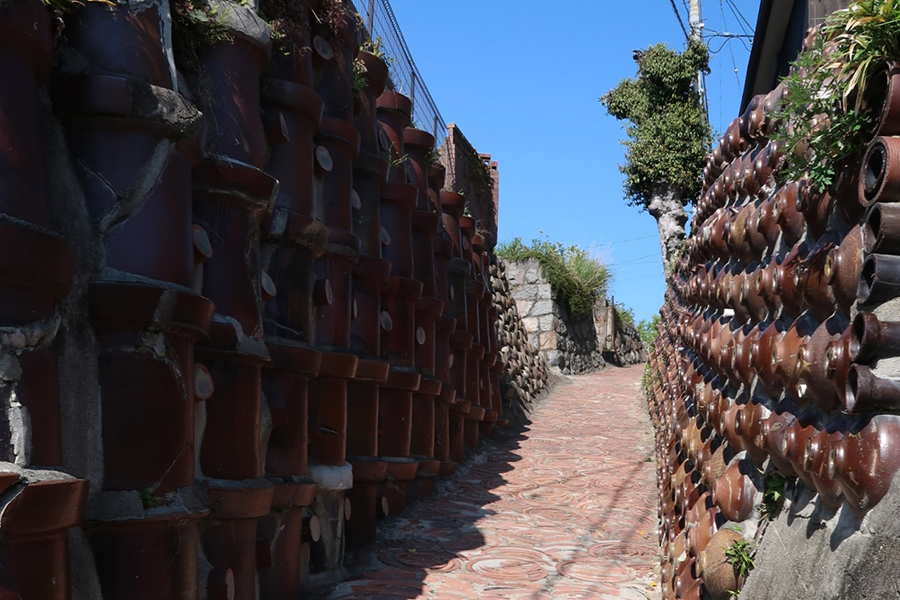
Within the Chita Peninsula, Tokoname has developed for more than a thousand years as one of Japan’s Six Ancient Kiln sites. From the late Edo period through the Meiji era, the town became a major center for large-scale ceramic production, including ceramic pipes and sanitary ware. This work demanded intense physical labor, shaping Tokoname as a town of craftsmen.
In such a setting, what people sought in sake was strength and harmony with food. Daily meals were rich and deeply flavored, often using miso and tamari soy sauce. Light and delicate sake could not stand up to these dishes.
The traditional character of Hakurou sake—rich, full-bodied, and umami-forward—was not the result of changing tastes or market trends. Rather, it emerged naturally from the food culture of the region. Over time, this style became the foundation of Sawada Shuzo’s sake.
Philosophy Reflected in Ingredient Selection
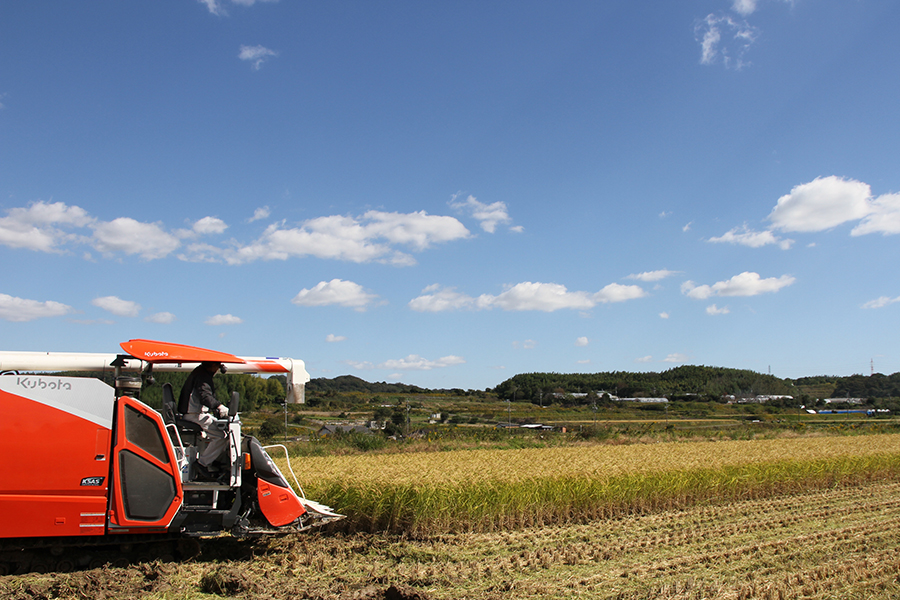
Local rice is essential to Hakurou sake. Sawada Shuzo works closely with contracted farmers to cultivate sake rice varieties such as Wakamizu and Yumeginjo, both grown in Aichi Prefecture. Wakamizu is known for dissolving easily during fermentation and expressing deep rice flavor, making it well suited to rich, full-bodied sake.
At one point, Wakamizu faced removal from official recommended rice lists due to policy changes. Rather than abandoning it, Sawada Shuzo supported local farmers and worked to preserve the variety. This decision was not driven by rarity or marketing appeal, but because Wakamizu matched the region’s climate, soil, and food culture.
Rice suited to local conditions can be grown with fewer inputs. The fertile clay-rich soils of the Chita Peninsula allow reduced fertilizer use, which in turn helps minimize pesticide application. These farming practices did not begin as an environmental initiative; they became established naturally by working in harmony with local climate and soil.
Sake Brewing Sustained by Water
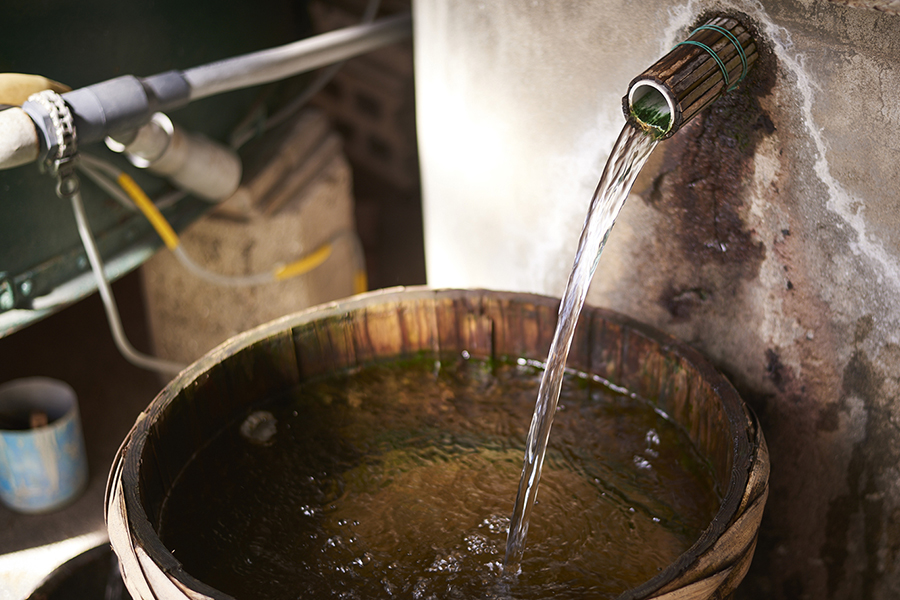
Water is another essential element shaping Hakurou sake. Since the Edo period, Sawada Shuzo has drawn soft spring water from the hills of the Chita Peninsula through a privately maintained water system. This gentle, soft water contributes to the rounded texture and depth of the sake.
Continuing to protect and use this water source has also helped preserve surrounding satoyama woodlands and coastal marine environments. These outcomes are not separate goals, but part of a long-standing relationship between sake brewing and the land.
A Brewery as a Place to Share Regional Culture
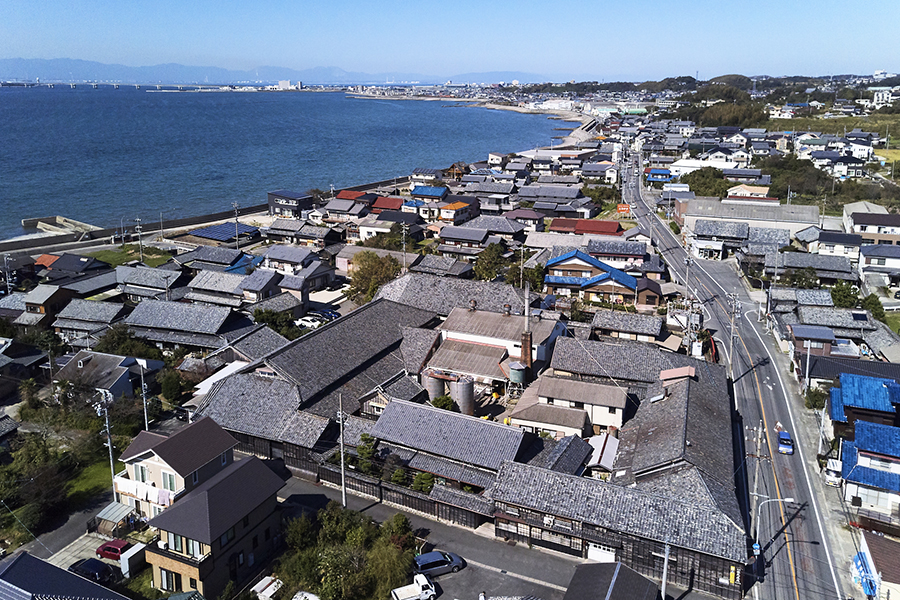
For decades, Sawada Shuzo has viewed sake brewing as inseparable from local fermentation culture, agriculture, and water. Around 40 years ago, the brewery began opening its doors to the public, welcoming visitors to see where and how sake is made.
In this view, a sake brewery is not merely a production facility. It is a place where the history, industries, and food culture of a region can be experienced and shared.
A Way of Brewing That Later Came to Be Called “Terroir”
In recent years, the concept of terroir—which values the unique combination of climate, soil, geography, history, and culture of a place—has gained attention in the world of sake. Sawada Shuzo strongly resonates with this perspective.
However, Hakurou sake was not created with the idea of terroir in mind. Rather, it reflects a long-standing commitment to brewing sake that suits the food culture and industries of the Chita Peninsula, and that is truly needed by the local community.
Only in retrospect did it become clear that this approach closely resembles what is now called terroir. It was not the result of special techniques or new theories, but of continuing to brew sake rooted in the region.
Hakurou: A Sake Born from Everyday Life on the Chita Peninsula
Hakurou sake has been shaped by daily life on the Chita Peninsula. By organizing and sharing this background, we hope not only to deepen enjoyment of the sake itself, but also to offer a gateway to understanding the region that gave birth to it.
Visitors from overseas are warmly welcomed to experience this connection firsthand—through the land, the food, and the sake.
Visitors interested in experiencing this connection firsthand are welcome to visit Sawada Shuzo in Tokoname.